
Two founders, in it with you.
Jonathan Chamblee and Dalton Locke combine technical delivery with business-building experience. TDAT helps founders assess unfinished software, build products and connect AI features to the workflows a business needs.

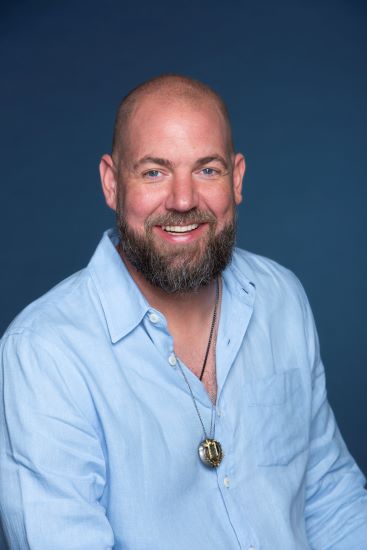
Jonathan Chamblee
Founder & CEO, TDAT · COO, PONO.AI · Co-Founder, LifeScribeAI and dBunk
"I know what it costs to build something great and what it costs even more to watch it fail because the execution was not there. I believe that the right idea in the right hands at the right speed changes everything. TDAT exists to be those hands."
Before Jonathan ever wrote a line of code, he was taking enterprise software into the most unforgiving buying rooms in the industry, learning what separates products that scale from products that die on the shelf. He founded TDAT with no investors and no safety net. His work now spans software rescue, product development and AI workflows. He works directly with founders on architecture, delivery decisions and the evidence needed to accept a release.
Dalton Locke
Founder, PONO.AI · Co-Founder, MIT45 · Host, The Spiritual Capitalist
"Build the business without losing the soul."
Dalton’s work spans PONO.AI, MIT45 and The Innovators Table, a private founder gathering. At TDAT, he brings founder relationships and business-building experience to discussions about a product’s market, distribution and next priorities.
Build
Web and mobile products
Repair
Stalled software and release blockers
Connect
AI agents and business workflows
Hand over
Client-controlled code and accounts
What the trenches taught us
A release needs a working customer journey
A useful release connects the software to the business. The UpGig rebuild includes employer workflows, a hiring pipeline and AI phone screens. Those are concrete journeys to review when deciding whether the product does the work it needs to do.
See the UpGig decisions and lessonsA chat reply needs somewhere to go
In PONO, work from an assistant conversation can become a task in a selected project, with an optional assignee and an Open the task link after a successful save. The handoff needs a destination, an owner and a result a person can verify.
Follow PONO’s conversation-to-task workflowA voice feature has work after the call
LifeScribe connects Ari’s conversations to transcripts, saved memories and family access controls. A useful release includes the path from a conversation to the material a family member can find and read.
Explore LifeScribe’s memory workflowOwnership needs a usable handover
A founder needs access to the repository and operating accounts, plus the setup instructions and responsibilities needed to run the product. TDAT agrees these controls and the acceptance checks as part of the scoped work.
Read the ownership and handover checksLooking for Jon’s contact details? Open Jonathan Chamblee’s contact card.
What client rescues taught us
UpGig arrived with a product that was not working as the founders needed. The response went beyond replacing code: the team expanded the product around employer workflows, candidate access and AI-assisted screening.
That experience shapes how we assess new projects. Establish what works, connect the product to the business model, and verify the complete user journey before calling a feature finished. A larger team or a polished demo does not substitute for working evidence.
Read the UpGig decisions and lessonsBefore you trust anyone again
We know you've heard promises before.
So we don't ask for trust up front. We structure it: bounded first steps, ownership from day one, and honest answers even when they cost us the deal. And no blame: however you got here, you will never have to defend past decisions to us.
Your repo. Your keys. Day one.
Work we build for you lives in your repository and business-controlled accounts. The handover includes agreed setup instructions, configuration references and operating responsibilities.
Not every product should be finished.
An assessment may recommend rebuilding, reducing scope or stopping. We put the reasons and limits in writing before you authorize implementation.
Working releases you can review.
Agree the review cadence, acceptance checks and responsible people. See the released work in your accounts and compare it with the plan and remaining scope.
What actually happens on the call
First 10 minutes
You talk, we listen: what you want to improve, the current tools and the result you need.
Next 15 minutes
We give you our honest first read: what needs investigation and what a useful first engagement would cover.
Last 5 minutes
If it makes sense, we scope a fixed-price evaluation. If it does not, we say so and point you somewhere useful.
30 minutes to discuss the project and define a practical next step. A call is not a completed technical assessment.
"I gave Jonathan a broken platform and a deadline that made no sense. He gave me back a product I was proud to put my name on."
Robert Futch, Founder, UpGig
The questions burned founders actually ask
Your code and operating accounts stay under your business’s control. We agree the scope, price, review cadence and acceptance evidence before implementation. A Diagnostic produces a written assessment you can use when deciding what to do next. Our case studies show the products, workflows and project stages behind our delivery experience.
Work we build for you lives in your repository and business-controlled accounts. Confirm the ownership terms, third-party licenses and handover responsibilities in writing, including recovery access.
Then you will hear it from us first, with the reasons in writing. Sometimes the right call is a modern rebuild that reuses the thinking, not the code. Sometimes it is finishing what exists. Either way you decide with real information instead of another team's optimism.
The first conversation is free. The Diagnostic has an agreed scope and fixed price. A proposed build identifies included work, assumptions, exclusions, recurring costs and the process for approving changes.
We plan around current users, rehearse the affected journeys and agree verification and recovery before cutover. The approach depends on the architecture, data and integrations involved.
Hire TDAT to build what your business needs.
Book a 30-minute project call about the software or workflow you need. We will discuss what TDAT should take off your hands and define the scope before implementation.
Hire TDAT"We didn't hire an agency. We gained a weapon."
Dalton Locke, TDAT partner and Founder/CEO, PONO.AI